
Ontdek productieoplossingen waarin snelheid, nauwkeurigheid en gebruiksgemak samenkomen.

Met vTNC7 programmeert u NC-programma’s voor enkelstuks, kleine series en 2,5D-bewerkingen sneller en eenvoudiger. Automatische programmageneratie op basis van 3D-modellen, uitgebreide simulatie én AI-ondersteuning helpen fouten te verminderen en productiviteit te verhogen. Lees meer [Bron foto: HEIDENHAIN Netherlands op linkedin.com]
Trenchless renovation
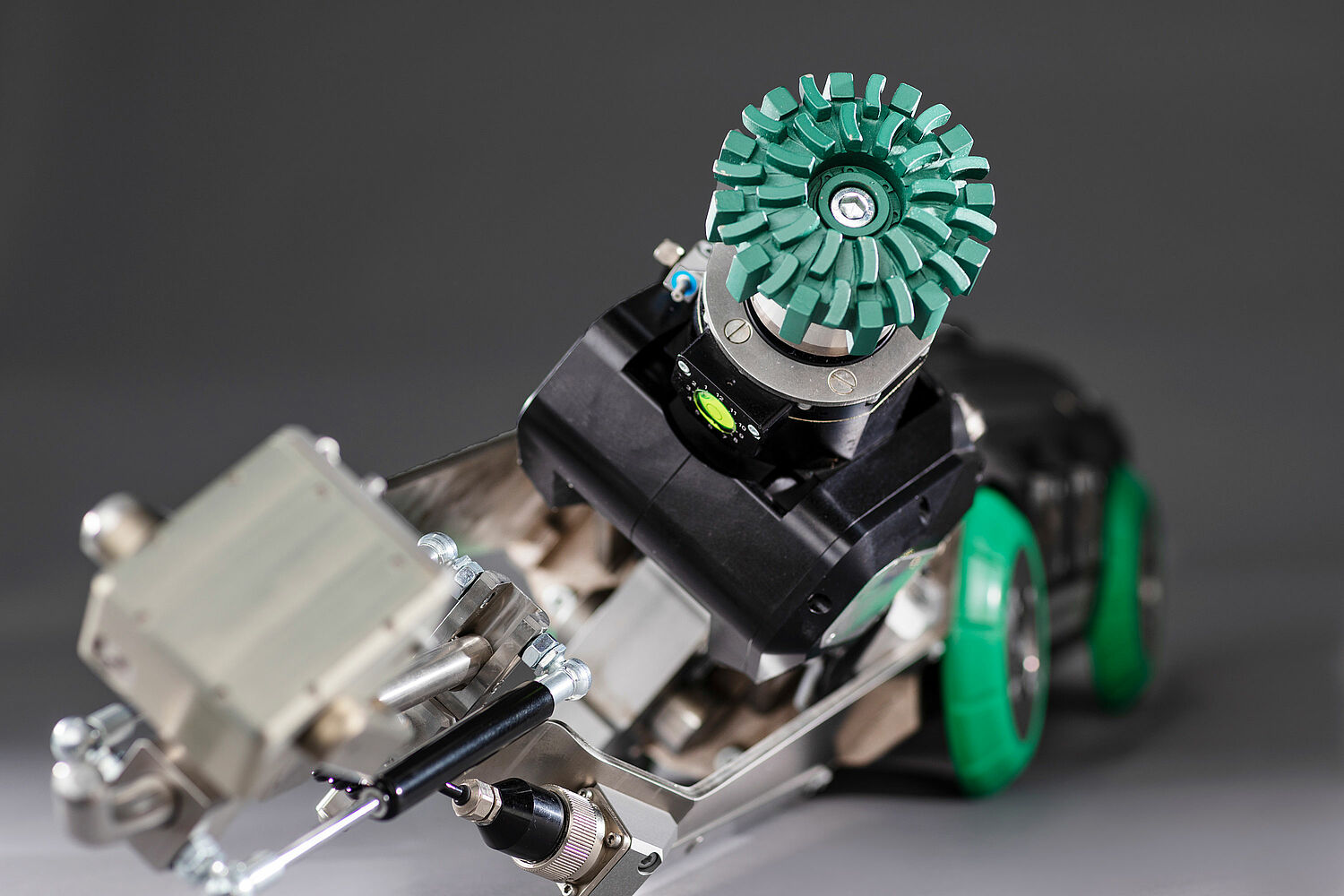
As is the case with any type of infrastructure, sewers require regular maintenance. But the often narrow pipes below the ground are difficult to access. Instead of unearthing them at great expense, users of trenchless renovation procedures use specialized robots that carry out the work in the interior of the pipelines. Pipetronics is a market…
Techniek achter een custom behuizing voor de zorg

De CareHub is een door CLB ontwikkeld slim zorgoproep- en monitoringsysteem waarin eigen hardware en software samenkomen. Voor de productie van de kunststof behuizing werkt CLB samen met Metric Injection Moulding Solutions, terwijl het industriële ontwerp afkomstig is van Scope Design & Strategy. Lees meer
Quick Understanding of an Obsolete Legacy Project With AI
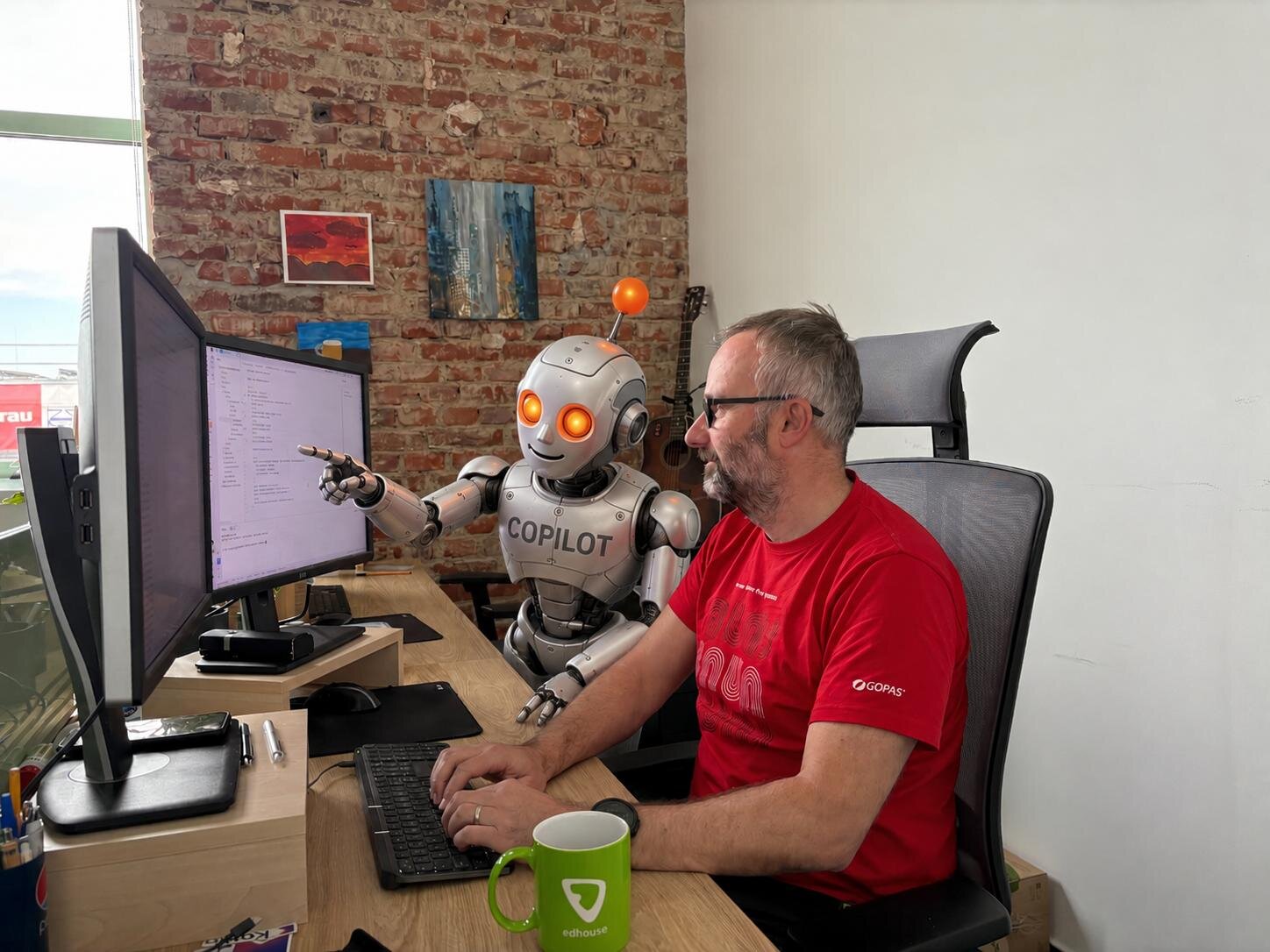
Legacy code that is poorly written in more ways than one. The original authors no longer work at the company. Documentation? Nonexistent. Sounds like the beginning of a horror story? Yet, it is fairly common for our clients to have an undocumented application that nobody really knows much about anymore, even though they still need…
Hoeveel subsidiekansen laat jouw organisatie nog liggen?

Wie structureel investeert in innovatie, digitalisering, verduurzaming of internationale groei, kan vaak meer subsidiemogelijkheden benutten dan alleen de bekende regelingen. Met het Strategisch Subsidieonderzoek van Dynova brengen we in kaart welke subsidies aansluiten bij jouw strategie en ambities. Lees meer [Bron foto: Dynova op linkedin.com]
boosting the actuator efficiency of reluctance actuators with permanent magnets
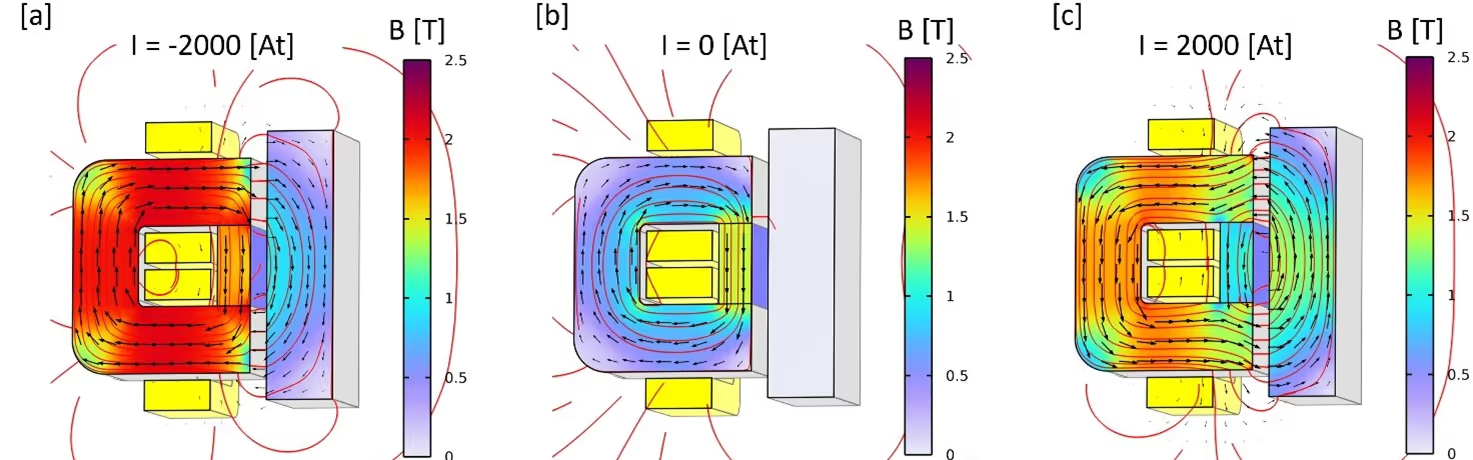
Electromagnetic actuators are an important actuation tool to achieve positioning precision on the nanometer scale. In this realm Lorentz actuators are the mostly used, due to their linear dependence between actuation force and applied current. The ever growing demand to increase the force efficiency of the actuator leads towards more detailed investigations of reluctance actuation….
MX-System halves control cabinet volume for box sealer
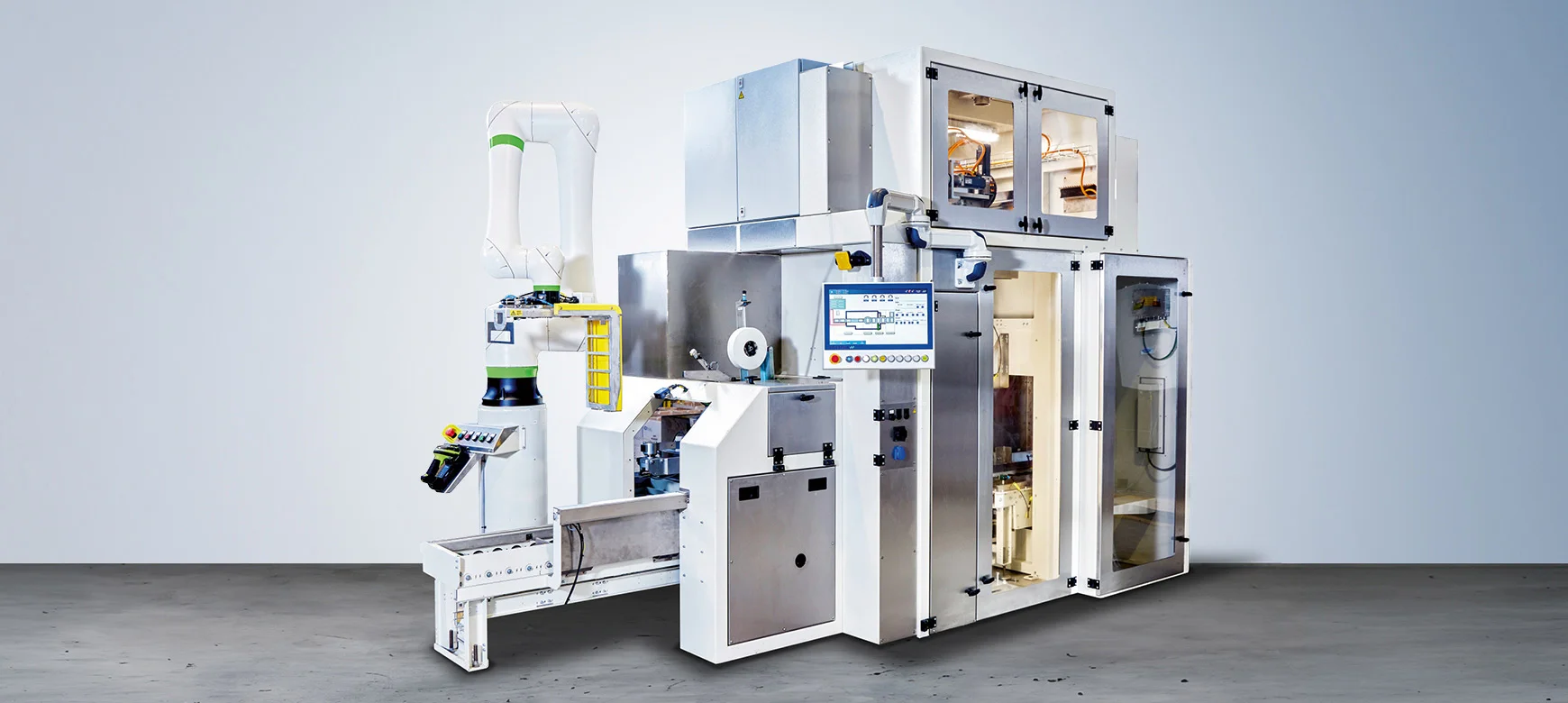
When integrating automated processes into existing production lines, machine builders often find themselves trying to reconcile steep functional requirements with a small installation space – a difficult task. This was the challenge that specialist machine builder Nordfels faced when developing a unique packaging application. It found the ideal solution in the MX-System from Beckhoff and…
Complete motion systems, developed fast
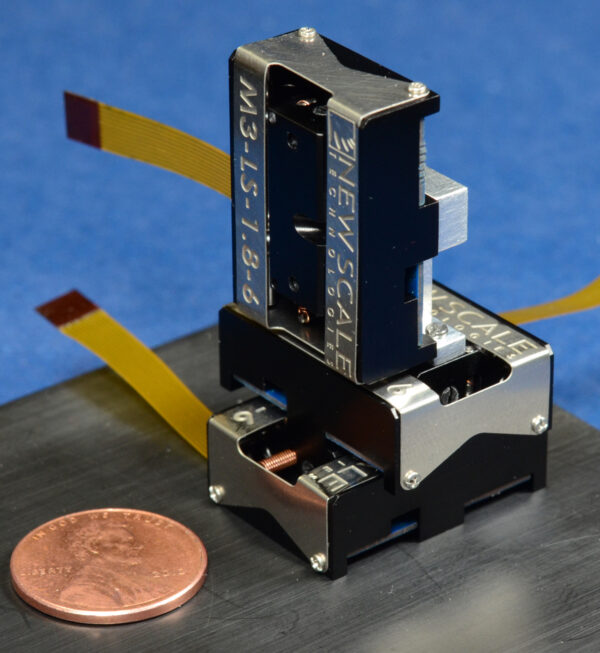
With our M3 (micro-mechatronic) smart module design platform, we can quickly develop closed-loop microstages and other motion modules for your OEM application. Building on our miniature piezoelectric motor and position sensor technology, this design platform yields complete closed-loop motion modules with high precision and tiny footprint. Read more
Tandriemaandrijving

In machines waar sprake is van hoge snelheden en lange slaglengtes, worden vaak modules met tandriemaandrijving gebruikt. Een voordeel van een tandriemaangedreven module is dat ze kostengunstig zijn. De tandriem drijft het tafeldeel aan waar de loopwagens met geleiding onder zijn bevestigd. LinMotion biedt tandriemaandrijvingen van NTN-SNR én het eigen LinMotion Economic (LME).
Hittech Shares Manufacturing Expertise with TU Delft Students

You might not expect to see the parts on the table in the photo at a renowned technical university in the Netherlands. Still, it made perfect sense, as our Director of Technology, Pieter Kappelhof, was once again on a mission to promote knowledge of materials and production technologies among students at Delft University of Technology….