
Understanding Eye Pattern Analysis for PCB Designers
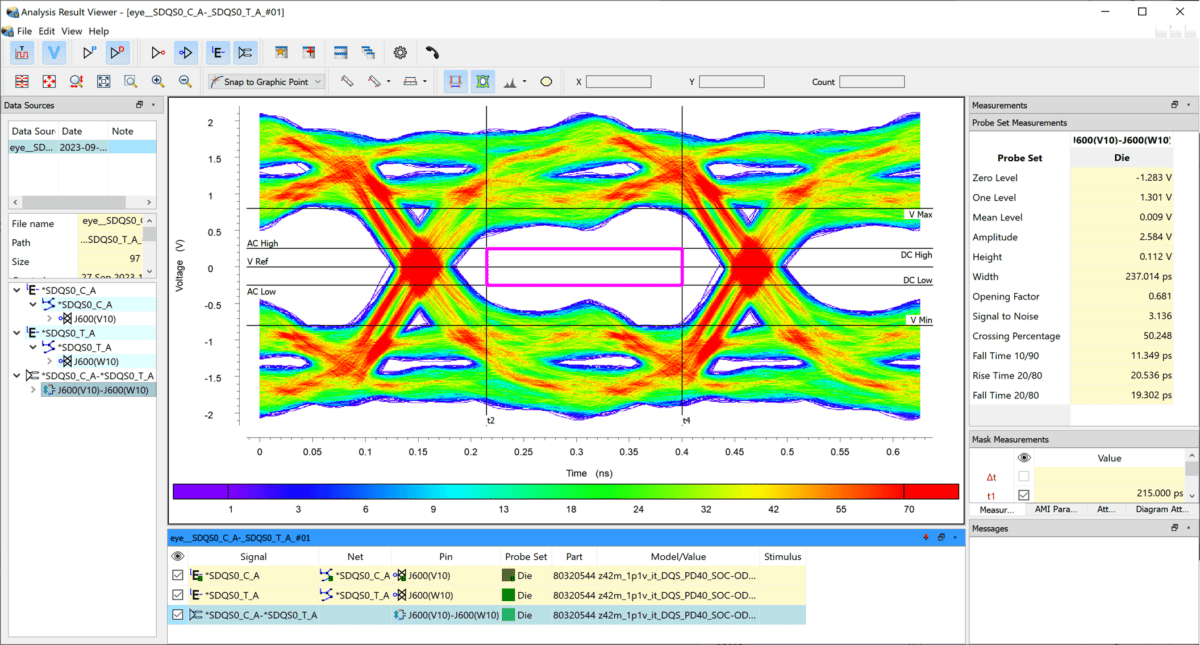
A high-speed interface passes simulation. The PCB is manufactured. Initial bring-up succeeds. Yet during system validation, intermittent communication errors begin to appear. The layout meets impedance targets. Differential pairs are length matched. Design rules pass. Manufacturing files are released. So why does communication still fail? Read more FOTO:
Understanding Eye Pattern Analysis for PCB Designers
A high-speed interface passes simulation. The PCB is manufactured. Initial bring-up succeeds. Yet during system validation, intermittent communication errors begin to appear. The layout meets impedance targets. Differential pairs are length matched. Design rules pass. Manufacturing files are released. So why does communication still fail? Read more
Most PCB design issues aren’t caused by poor PCB design
That sounds contradictory, but it’s becoming increasingly true. Modern electronic products are no longer built around a single PCB. High-speed signals now travel across multiple boards, connectors, cables, and complex power delivery networks. While each individual PCB may pass design…
How Zeal Motor Reduced Development Time by 75% with Wire Harness Documentation Software
As electrical systems become more complex, keeping electrical design and wire harness documentation connected becomes increasingly important. Watch the video [Source: Zuken on youtube.com]
The PCB Passed Every Review. So Why Did the Product Fail?
Modern multi-board PCB design is becoming less about creating individual boards quickly and more about identifying engineering problems before they become expensive. A PCIe signal leaves one PCB, crosses a connector, travels through a cable assembly, enters a second board, and suddenly fails EMC testing three months later. The layout on each board looked correct. Signal lengths were matched. Design rules…
From Formula 1 to Rapid Prototyping: How Alpine Tech Accelerates Innovation with E3.series
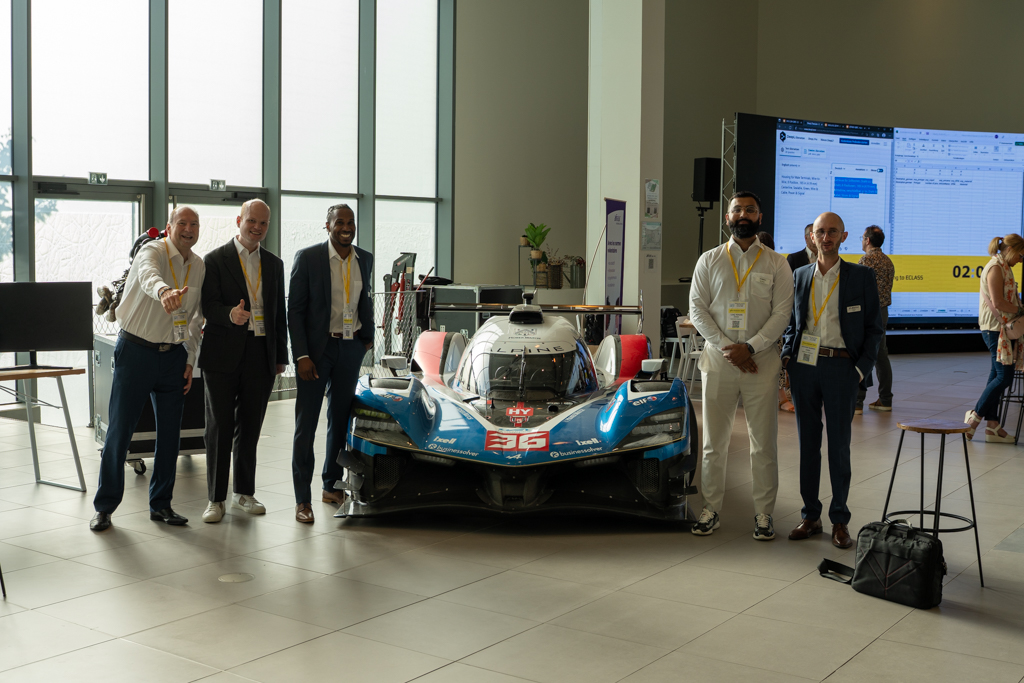
At Zuken Innovation World France 2026, Guislain Haye, Lead Low Voltage Systems & Embedded Sensors at Alpine Tech, shared how engineering expertise developed in the demanding world of motorsport is now being made available to customers looking to accelerate product development. Lees verder
PLM, data, and automation are converging, while system complexity continues to increase

Our colleague Jenghis Lem attended the three-day Realize LIVE event in Amsterdam once again this year and came back with some great insights. Read more [Picture source: Zuken on linkedin.com]
From Product Configuration towards Flexible Solution Architectures (FSA)
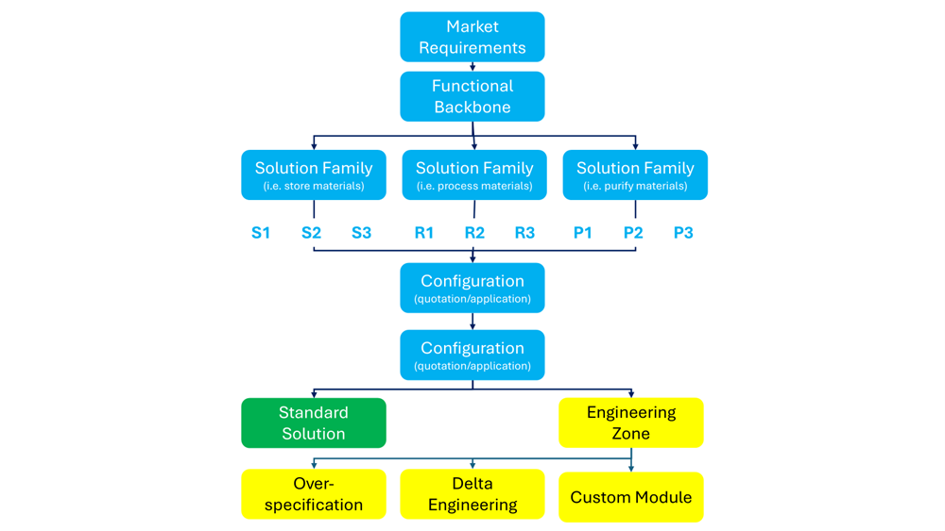
Customer centricity through customer-specific products drives value and is a key competitive differentiator. At the same time, this approach to developing products presents many manufacturers with a structural dilemma: while engineer-to-order business models enable maximum flexibility, they also make it more difficult to reuse existing solutions and increase dependence on expert knowledge.
Does This Truck Make My Wheels Look Fat?
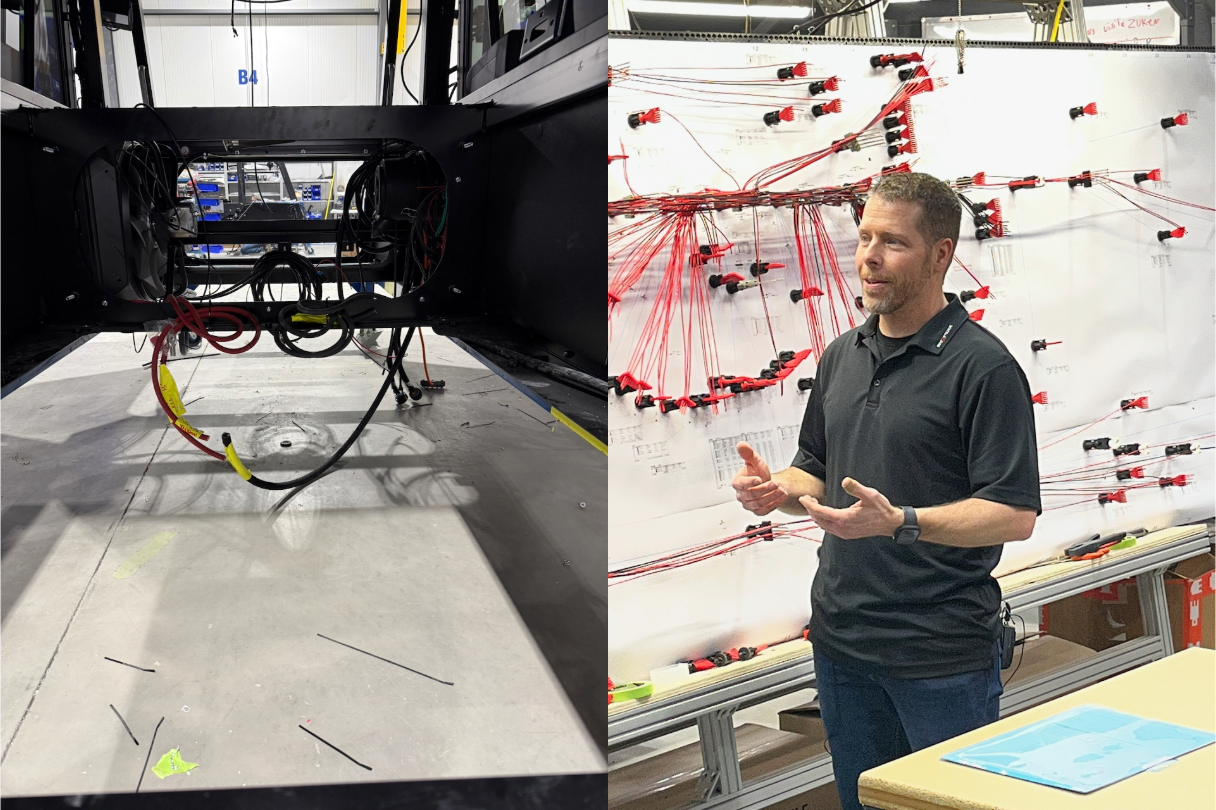
Behind the Scenes at Zeal Motors A few months ago, Bob and I traveled to Canada (again in the dead of winter!) to visit Zeal Motors, the company behind the Fat Truck, for our latest E3.series customer success story. The goal was to capture how their team uses E3.series to support electrical and wire harness design…
Valeo and Zuken join forces to redefine automotive electronic design
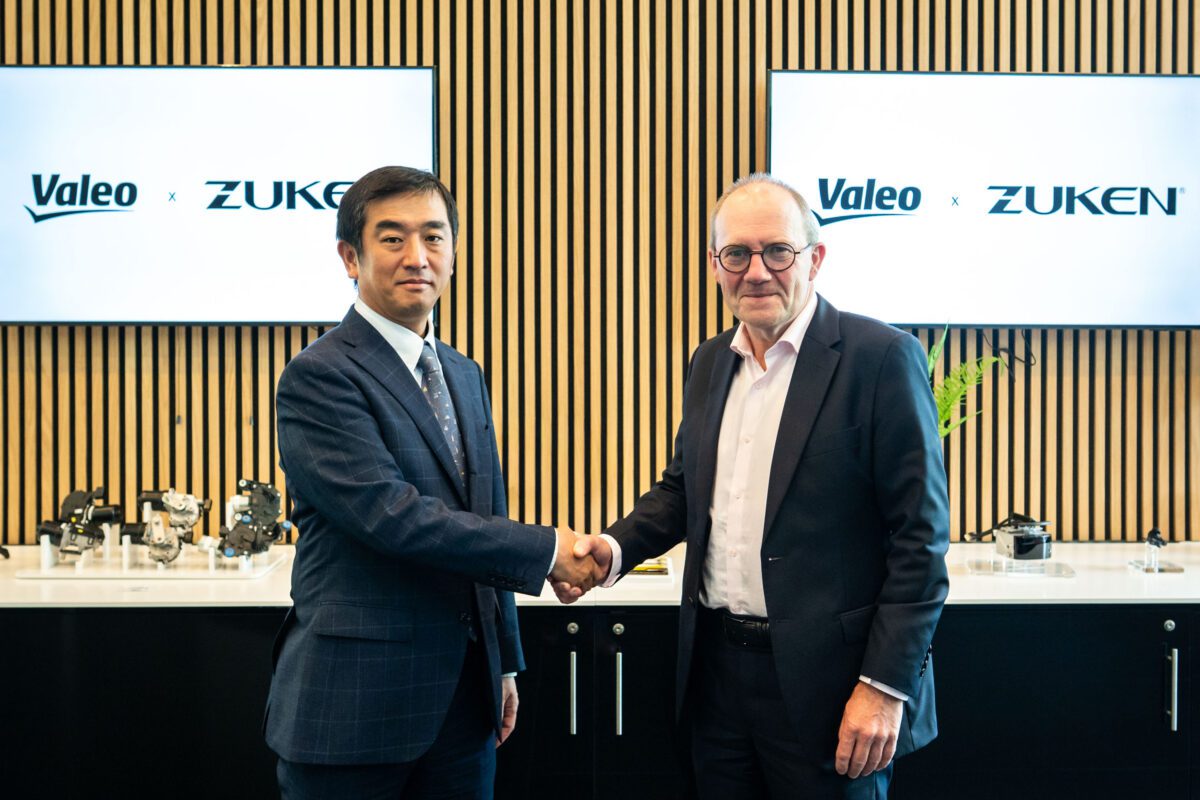
Valeo and Zuken announced the Zuken Valeo InnoLab, a strategic partnership focused on AI-assisted automotive electronic design. The collaboration combines Zuken’s EDA technology with Valeo’s industrial AI expertise across architecture, schematic design, and physical design workflows. Read more